Sabbats and Rituals
The Sabbats mark the turning points of the Wheel of the Year, honoring the natural cycles of growth, harvest, rest, and renewal. Each celebration invites us to pause, reflect, and align our spiritual practice with the rhythms of the earth.
Here you’ll find rituals, reflections, and guidance to help you honor each Sabbat with intention—deepening your connection to the seasons, your craft, and the sacred flow of time.
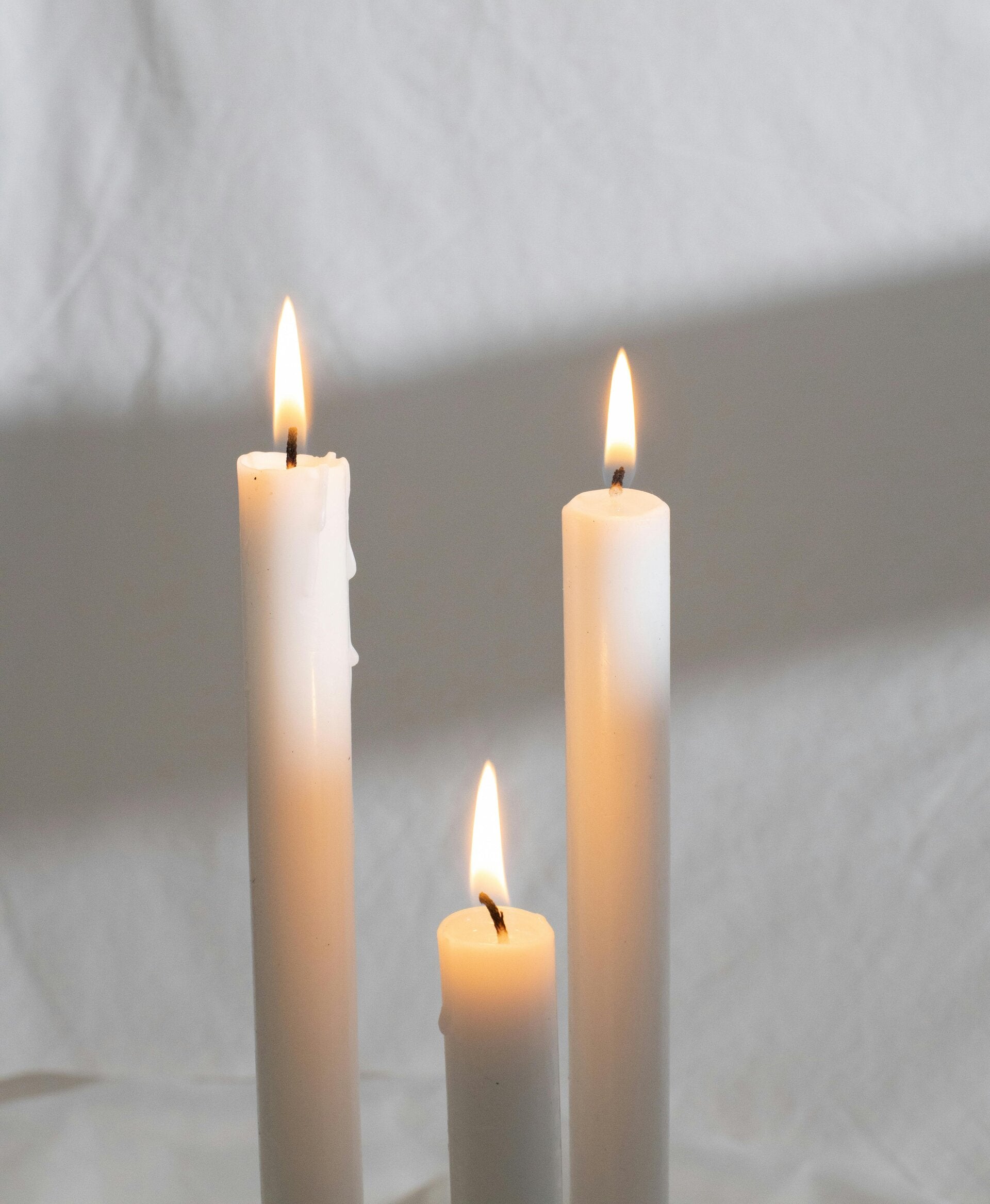
Imbolc Feb 2
Imbolc: Awakening the Light Within
February 1–2
Imbolc marks the quiet turning of the year—when winter begins to loosen its grip and the first stirrings of spring are felt beneath the surface. Though the land may still appear cold and dormant, Imbolc reminds us that the light is returning, and new life is preparing to emerge.
This Sabbat is a celebration of renewal, purification, and inspiration. It invites us to clear away what no longer serves, tend the inner flame, and gently prepare for the growth ahead.
Imbolc is not about rushing forward—it is about intentional readiness.
How to Celebrate Imbolc
Imbolc is best honored through simple, meaningful acts that support clarity and renewal.
Ways to celebrate include:
-
Deep cleaning and energetic cleansing of your home
-
Lighting candles to honor the returning light
-
Journaling intentions for the coming months
-
Refreshing your altar or sacred space
-
Performing rituals focused on renewal and inspiration
This is a powerful time to reconnect with your practice if it has gone quiet during the darker months.
Dressing Your Imbolc Altar
Your Imbolc altar should reflect light, purity, and new beginnings.
Altar Colors:
-
White, cream, pale yellow
-
Soft green
-
Silver
Suggested Altar Items:
-
Candles (especially white or beeswax)
-
Fresh or dried herbs such as rosemary, basil, or bay
-
Crystals for clarity and renewal (clear quartz, amethyst, moonstone)
-
Bowls of milk, seeds, or grains
-
Symbols of fire and light
-
Early signs of spring (buds, twigs, snowdrops if available)
Keep your altar simple and intentional—Imbolc honors quiet transformation.
Imbolc Ritual: Rekindling the Inner Flame
This ritual focuses on cleansing the old and welcoming inspiration and renewal.
You Will Need:
-
One white candle
-
A small bowl of water
-
A piece of paper and pen
-
Optional: incense or smoke cleansing tool
Ritual Steps:
-
Cleanse Your Space
Begin by cleansing your space physically or energetically. Take a few grounding breaths. -
Light the Candle
As you light the candle, say:
“I welcome the returning light and the spark of new beginnings.” -
Release the Old
On the paper, write what you are ready to release—habits, thoughts, or energies that no longer serve you. -
Purify
Dip your fingers into the water and lightly touch the paper, saying:
“I cleanse and release what no longer belongs in this next season.” -
Set New Intentions
Turn the paper over and write one intention you wish to nurture as the year unfolds. -
Close the Ritual
Sit quietly for a few moments, focusing on the candle flame. When ready, extinguish the candle with gratitude.
You may keep the paper on your altar or safely dispose of it when the ritual feels complete.
A Final Reflection
Imbolc teaches us that transformation begins quietly. By tending the inner flame and clearing space for renewal, we prepare ourselves for the growth that lies ahead.
Honor the light. Trust the process. Spring is coming.
✨
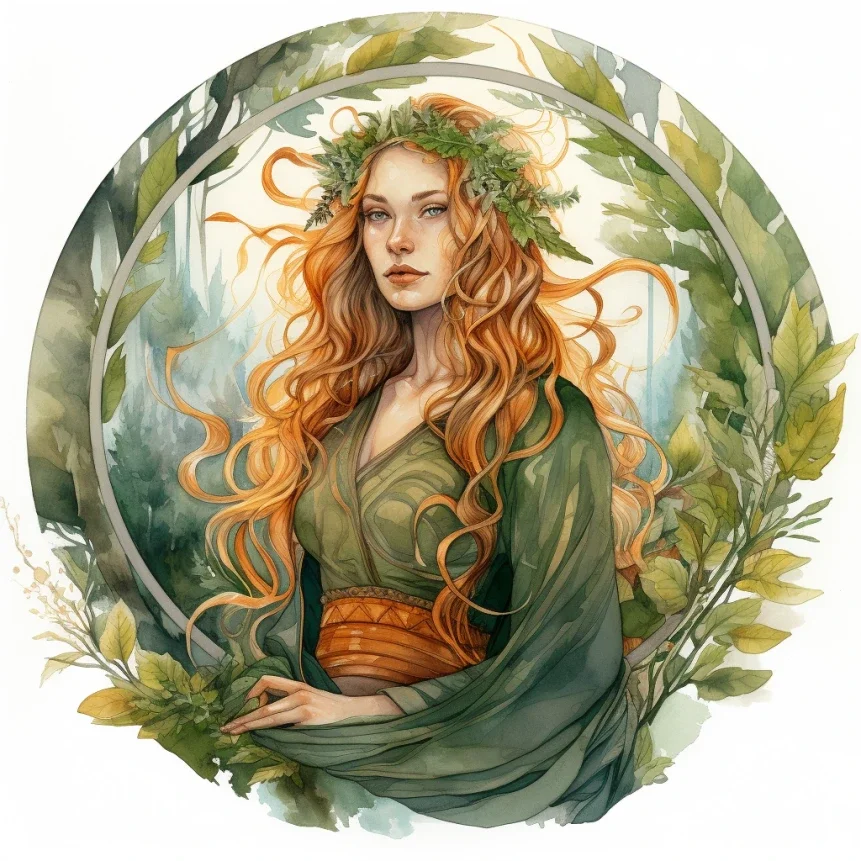
The Goddess Brigid
The Goddess of Imbolc: Brigid, Keeper of the Sacred Flame
Imbolc is deeply associated with Brigid, one of the most beloved goddesses of the Celtic tradition. She is a goddess of fire, inspiration, healing, poetry, and protection, embodying the spark of life that begins to stir as winter loosens its hold.
At Imbolc, Brigid represents the returning light, the warming of the earth, and the quiet but powerful force of renewal. She is both hearth keeper and flame bearer—guardian of the home, the creative spirit, and the healing arts.
Brigid reminds us that transformation does not arrive loudly. It begins as a single flame, tended with care.
Who Is Brigid?
Brigid is often honored as:
-
Goddess of fire and the hearth
-
Patron of poets, artists, and creatives
-
Goddess of healing and sacred wells
-
Protector of the home and community
-
Symbol of renewal, fertility, and inspiration
She is a liminal goddess—standing at the threshold between winter and spring, rest and action, darkness and light.
Working with Brigid at Imbolc
Imbolc is the ideal time to connect with Brigid’s energy, especially if you are seeking:
-
Creative inspiration
-
Healing and emotional renewal
-
Protection of home and family
-
A renewed spiritual practice
-
Guidance as you step into a new season
Brigid’s presence is gentle yet steady. She encourages devotion through daily acts, not grand gestures.
Honoring Brigid on Your Altar
To honor Brigid, keep your altar simple, warm, and intentional.
Colors:
-
White, red, gold
-
Soft green
Offerings & Symbols:
-
Candles or hearth flames
-
Fresh water or milk
-
Bread, oats, or grains
-
Poetry, written intentions, or artwork
-
Brigid’s Cross (woven or symbolic)
-
Crystals such as clear quartz, carnelian, or moonstone
Place her altar near the heart of your home if possible.
Brigid Ritual: Inviting Inspiration & Renewal
This ritual is best performed on Imbolc or within the days surrounding it.
You Will Need:
-
One white or red candle
-
A small bowl of water
-
A piece of paper and pen
-
Optional: milk, bread, or grain as an offering
Ritual Steps:
-
Prepare Your Space
Cleanse your area and take a few grounding breaths. Light your candle. -
Call to Brigid
Say aloud or silently:
“Brigid, keeper of the sacred flame,
I welcome your light, inspiration, and protection.” -
Set Your Intention
On the paper, write what you wish to renew—creativity, healing, devotion, or clarity. -
Bless with Water
Dip your fingers into the water and gently touch the paper, saying:
“By fire and by water, I welcome renewal.” -
Make an Offering
Place your offering on the altar and sit quietly, allowing inspiration or messages to arise. -
Close the Ritual
Thank Brigid for her presence. Extinguish the candle with gratitude.
You may keep your intention on your altar or in your journal through the Imbolc season.
A Final Reflection
Brigid teaches us that devotion lives in consistency, care, and intention. At Imbolc, her flame reminds us that even the smallest light can guide us forward.
Tend your fire. Trust your path. Honor the return of the light.

Brigids Cross
Brigid’s Cross: A Symbol of Protection, Renewal, and Sacred Fire
Brigid’s Cross is one of the most enduring and beloved symbols associated with the Celtic goddess Brigid. Traditionally woven from rushes or straw around Imbolc (February 1–2), the cross represents protection, renewal, creativity, and the return of light after winter’s darkness.
Rooted in Irish folk tradition, Brigid’s Cross was hung above doorways, hearths, and windows to safeguard the home from harm, illness, and misfortune. Over time, it became both a spiritual and cultural symbol—honoring Brigid as goddess, saint, and guardian of the hearth.
The Meaning Behind Brigid’s Cross
Each arm of the cross radiates outward from a central point, symbolizing balance, harmony, and the four directions. It reflects Brigid’s role as a goddess of:
-
Fire and the hearth
-
Healing and protection
-
Poetry, creativity, and inspiration
-
New beginnings and fertility
The weaving itself is an act of intention—bringing mindfulness, prayer, and focus into the creation process.
When to Make or Display a Brigid’s Cross
Brigid’s Cross is most commonly made during Imbolc, a sabbat celebrating the first stirrings of spring and the growing strength of the sun. However, it can be created or refreshed anytime you feel called to:
-
Cleanse stagnant energy
-
Protect your home or altar
-
Invite inspiration and renewal
-
Honor Brigid’s presence in your practice
Many practitioners replace their cross yearly, burning or respectfully returning the old one to the earth.
How to Use Brigid’s Cross in Your Practice
-
Hang it above your front door or hearth for protection
-
Place it on your altar during Imbolc or devotional work
-
Use it as a focal point during renewal or home-blessing rituals
-
Gift one to loved ones as a symbol of care and safeguarding
You may also anoint the cross with oil, sprinkle it with moon water, or bless it with candle flame to activate its intention.
A Living Symbol of Devotion
Brigid’s Cross is more than decoration—it is a living symbol of faith, craft, and continuity. Whether you follow Brigid as a goddess, honor her as a saint, or simply connect with her energy of warmth and inspiration, this sacred weave serves as a reminder that light always returns.
At The Crones Cave Metaphysical Shop, we honor traditions that blend history, magic, and modern practice—keeping sacred symbols alive in meaningful ways.